Common Reasons New Windows Fail Before Their Expected Lifespan
New windows are often considered a long-term investment that improves comfort, energy efficiency, security, and the overall appearance of a home. Many homeowners expect professionally installed windows to last for decades with minimal problems. However, some windows begin showing signs of failure much earlier than expected, leading to drafts, moisture issues, difficult operation, and higher energy bills.
While window quality plays an important role, early failure is not always caused by the product itself. Poor installation, incorrect maintenance, environmental exposure, and choosing the wrong window type for a specific home can all reduce a window’s useful life.
Understanding why new windows fail early can help homeowners make better decisions during purchasing, installation, and maintenance.
Poor Installation Is One of the Biggest Causes of Window Problems
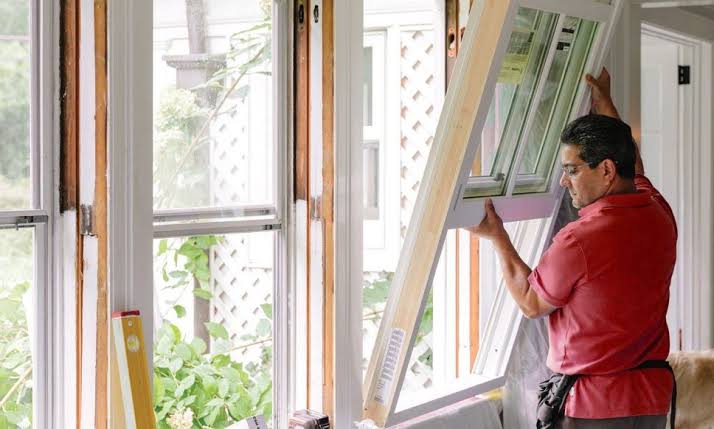
Even a high-quality window can fail if it is installed incorrectly. Window installation requires accurate measurements, proper sealing, correct leveling, and attention to surrounding materials.
One common mistake is leaving small gaps between the window frame and the wall opening. These gaps allow air and moisture to enter, reducing energy efficiency and potentially causing water damage around the window area.
Improper installation can also create pressure points that affect how the window opens and closes. A window that is not perfectly square may become difficult to operate over time because the frame slowly shifts.
Professional installation is often more important than simply choosing the most expensive window model. A properly installed mid-range window can perform better than a premium window that was installed incorrectly.
Choosing the Wrong Window Type for the Climate
Not every window design works well in every environment. Homeowners sometimes choose windows based only on appearance or price without considering local weather conditions.
For example, homes in areas with extreme heat may require windows with better solar protection, while homes in colder regions need stronger insulation performance. Coastal locations may require materials that resist salt exposure and corrosion.
Using the wrong window type can lead to problems such as:
- Excessive heat entering the home
- Condensation between glass panels
- Frame deterioration
- Seal failure
- Higher heating and cooling costs
A good window choice should match the climate, building design, and specific needs of the property.
Low-Quality Materials Reduce Window Lifespan
The materials used in window construction directly affect durability. Some cheaper windows may look attractive when newly installed but use lower-quality components that deteriorate faster.
Common material-related problems include:
- Weak vinyl frames that become damaged under extreme temperatures
- Poor-quality hardware that breaks after repeated use
- Weak seals that allow moisture between glass panes
- Low-grade coatings that lose effectiveness over time
The frame material, glass quality, locking systems, and weather seals all contribute to overall window performance.
Homeowners should consider long-term value rather than only the initial purchase price. Saving money upfront may lead to expensive repairs or replacements later.
Failed Window Seals Cause Moisture and Energy Problems
Modern double-pane and triple-pane windows rely on sealed glass units filled with insulating gases. When these seals fail, moisture can enter between the glass layers.
A common sign of seal failure is fogging or condensation trapped inside the window. Unlike normal condensation on the outside surface, moisture between glass panes indicates a problem with the insulated unit.
Failed seals can reduce:
- Energy efficiency
- Noise reduction
- Temperature control
- Window appearance
Once the seal inside an insulated glass unit fails, cleaning the glass usually does not solve the problem. In many cases, the glass unit needs replacement.
Poor Maintenance Can Shorten Window Life
Although modern windows require less maintenance than older designs, they are not completely maintenance-free.
Small maintenance tasks can prevent bigger problems. Dirt, debris, and moisture buildup around window tracks can affect operation and drainage.
Homeowners should regularly:
- Clean window tracks
- Check weather stripping
- Inspect exterior seals
- Remove dirt from drainage holes
- Tighten loose hardware when needed
Ignoring minor issues can allow water infiltration or mechanical damage to develop over time.
Water Damage Around the Window Opening
Water intrusion is one of the most serious window problems because it can damage more than just the window itself.
If flashing, exterior sealing, or drainage systems are installed incorrectly, rainwater may enter behind the window frame. Over time, this can damage:
- Interior walls
- Insulation
- Wooden framing
- Paint and drywall
- Flooring near the window
Sometimes homeowners blame the window when the actual problem is the surrounding installation system. Proper waterproofing around the window opening is essential for long-term performance.
Extreme Weather Exposure Can Accelerate Damage
Windows constantly face outdoor conditions, including sunlight, rain, wind, temperature changes, and seasonal expansion.
Over many years, these factors naturally affect materials. However, extreme exposure can accelerate failure.
For example:
- Strong sunlight can weaken certain seals and finishes
- Heavy storms can test drainage systems
- Large temperature changes can cause materials to expand and contract repeatedly
Homes in harsh environments may need windows specifically designed for higher durability.
Incorrect Cleaning Products Can Damage Window Components
Many homeowners do not realize that certain cleaning products can harm window materials.
Strong chemicals, abrasive cleaners, and rough tools may damage:
- Protective coatings
- Frame finishes
- Rubber seals
- Hardware components
Using mild cleaning solutions and soft materials is usually enough to keep windows looking good without damaging important parts.
Poor Ventilation Can Create Window Condensation Issues
Sometimes window problems are not caused by the window itself but by indoor humidity levels.
Modern homes are often more airtight than older houses. Without proper ventilation, moisture from cooking, showers, and daily activities can build up indoors.
High humidity can lead to:
- Condensation on glass
- Mold growth near window areas
- Damp frames
- Interior moisture problems
Improving ventilation and controlling indoor humidity can help protect windows and the surrounding structure.
How Homeowners Can Extend Window Lifespan
New windows can provide decades of performance when they are properly selected, installed, and maintained. Homeowners can increase their lifespan by focusing on a few important practices:
- Choose windows designed for the local climate
- Hire experienced installers
- Inspect seals and frames regularly
- Address small issues quickly
- Maintain proper indoor humidity
- Follow manufacturer care recommendations
Regular inspections are especially useful because early repairs are usually much cheaper than complete replacements.
Final Thoughts
New windows should be a long-term improvement for any home, but several factors can cause them to fail earlier than expected. Installation mistakes, poor materials, moisture problems, climate conditions, and lack of maintenance are among the most common reasons behind premature window failure.
Buying quality windows is only part of the process. Proper installation and ongoing care are equally important for protecting the investment. By understanding these common problems, homeowners can avoid unnecessary repairs and enjoy better comfort, efficiency, and performance from their windows for many years.