Which Exterior Cladding Material Performs Best in Extreme Weather?
Exterior cladding is more than just a design feature that improves the appearance of a building. It acts as a protective layer between your home and harsh outdoor conditions, including heavy rain, strong winds, intense sunlight, freezing temperatures, humidity, and temperature changes. Choosing the right cladding material can improve durability, reduce maintenance costs, and help protect the structure of your home for many years.
However, there is no single cladding material that is perfect for every climate. A material that performs well in hot and dry regions may not be the best choice for areas with hurricanes, heavy snowfall, or constant moisture. The best option depends on local weather conditions, installation quality, budget, and long-term maintenance expectations.
This guide compares popular exterior cladding materials and explains how they perform in extreme weather conditions.
Why Extreme Weather Performance Matters in Exterior Cladding
Extreme weather can slowly damage a home’s exterior if the cladding system is not designed to handle environmental stress. Rain can cause water infiltration, strong winds can loosen poorly installed panels, and constant exposure to sunlight can fade or weaken certain materials.
Good exterior cladding should provide:
- Resistance against moisture and water damage
- Protection from strong winds and storms
- Stability during temperature changes
- Resistance to UV exposure
- Low maintenance requirements
- Long service life
The cladding material itself is important, but proper installation, drainage systems, insulation, and ventilation also play a major role in overall performance.
Fiber Cement Cladding: A Strong All-Weather Option
Fiber cement is often considered one of the most reliable exterior cladding choices for homes located in challenging weather environments. It is made from a mixture of cement, sand, cellulose fibers, and other additives, creating a strong material that can handle many outdoor conditions.
One of the biggest advantages of fiber cement is its resistance to moisture, fire, insects, and temperature changes. Unlike traditional wood siding, it does not easily rot or attract termites.
In areas with heavy rain or humidity, fiber cement performs well because it does not absorb water easily when properly installed. It also handles strong sunlight better than many painted surfaces because it is less likely to warp or crack.
However, fiber cement panels are heavier than some alternatives and usually require professional installation. Poor installation can reduce its weather resistance.
Brick Cladding: A Traditional Material Built for Durability
Brick has been used for centuries because of its strength and ability to withstand harsh environments. Brick cladding offers excellent protection against wind, rain, and temperature fluctuations.
In cold climates, brick performs well because it can handle freezing and thawing cycles when installed correctly. It also provides natural insulation benefits and helps regulate indoor temperatures.
Another advantage is its low maintenance requirement. Brick does not need frequent painting, and it can last for decades with minimal care.
The main disadvantage is cost. Brick installation often requires higher upfront investment compared to vinyl or some other siding options. Repairs can also be more complicated if individual bricks become damaged.
Metal Cladding: Ideal for Modern and Extreme Conditions
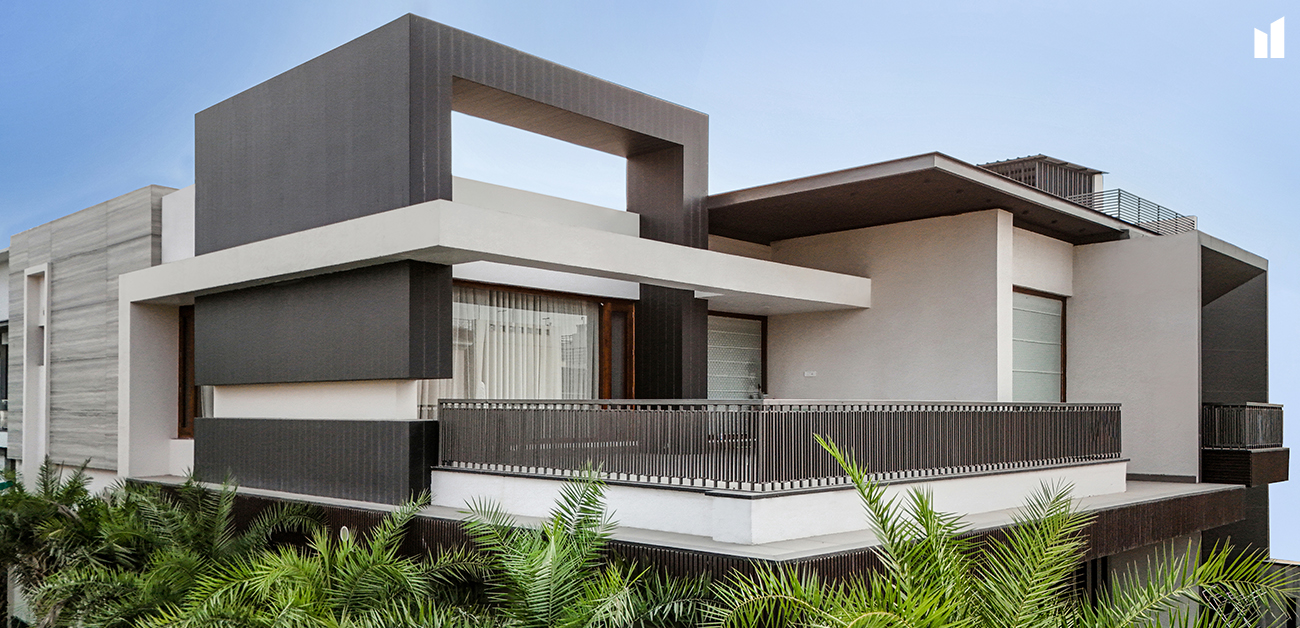
Metal cladding, including aluminum and steel panels, has become increasingly popular for residential and commercial buildings. It offers a modern appearance while providing strong protection against many weather challenges.
Steel cladding is especially strong against high winds and impact damage. It is commonly used in areas where durability is a priority.
Aluminum has excellent corrosion resistance, making it suitable for coastal environments where salt exposure can damage other materials.
However, metal cladding requires careful selection and installation. Low-quality coatings may fade over time, and improper installation can create issues with expansion and contraction during temperature changes.
Stone Cladding: Natural Strength With Premium Performance
Natural stone is one of the most durable exterior materials available. Stone cladding can handle extreme temperatures, moisture, and strong weather conditions when properly installed.
Materials such as granite, slate, and limestone offer excellent resistance against environmental damage. Stone also provides a premium appearance that can increase a property’s visual appeal.
The biggest challenge with stone is the cost and installation complexity. Natural stone is heavy, and the supporting structure must be strong enough to handle the additional weight.
For homeowners looking for long-term durability and a high-end finish, stone can be an excellent investment.
Vinyl Siding: Affordable but Climate Dependent
Vinyl siding remains a popular choice because it is affordable, lightweight, and easy to maintain. It can perform well in moderate climates where extreme weather is not a major concern.
Modern vinyl siding has improved compared to older versions, with better resistance against fading and impact damage.
However, vinyl has limitations in extreme conditions. In areas with very high temperatures, it can expand, warp, or become damaged if exposed to intense heat. During severe storms, lower-quality vinyl panels may crack or detach.
Vinyl can be a practical choice for homeowners with budget limitations, but it may not provide the same level of protection as fiber cement, brick, or metal.
Wood Cladding: Beautiful but Requires Maintenance
Wood siding offers a natural appearance that many homeowners appreciate. Cedar, redwood, and other treated wood options can perform well when properly maintained.
The problem with wood is that extreme weather can accelerate damage. Moisture can lead to rot, insects can cause structural issues, and sunlight can fade the surface.
Regular sealing, staining, and inspections are necessary to maintain wood cladding in difficult climates.
Wood can still be a good option, especially for homeowners who value appearance and are willing to invest time in maintenance.
Choosing the Best Cladding for Different Weather Conditions
The best exterior cladding depends on the environment where the home is located.
For areas with heavy rainfall and humidity:
- Fiber cement
- Brick
- Metal with proper coatings
are usually strong choices because they resist moisture damage.
For regions with extreme heat and sunlight:
- Fiber cement
- Brick
- Stone
often perform better because they handle UV exposure and temperature changes.
For areas with strong winds and storms:
- Steel cladding
- Fiber cement
- Brick
can provide better impact resistance.
For cold climates with freezing temperatures:
- Brick
- Fiber cement
- Stone
can perform well when installed with proper insulation and moisture protection.
Installation Quality Is Just As Important As Material Choice
Even the strongest cladding material can fail if installation is poor. Proper flashing, waterproof barriers, ventilation gaps, and correct fastening methods are essential for protecting the building structure.
Homeowners should always choose experienced installers who understand local weather challenges and building requirements.
A cheaper material installed correctly may perform better than an expensive material installed incorrectly.
Final Thoughts
There is no universal winner when choosing exterior cladding for extreme weather because every climate creates different challenges. However, materials like fiber cement, brick, metal, and stone consistently provide strong performance in demanding conditions.
For homeowners seeking a balance between durability, maintenance, and cost, fiber cement is often one of the most practical choices. Brick and stone offer exceptional longevity, while metal provides excellent protection for modern designs and harsh environments.
The best decision comes from understanding your local climate, evaluating long-term costs, and choosing a complete cladding system rather than focusing only on the appearance of the material. A well-selected and properly installed exterior cladding system can protect your home, improve energy efficiency, and maintain its value for many years.