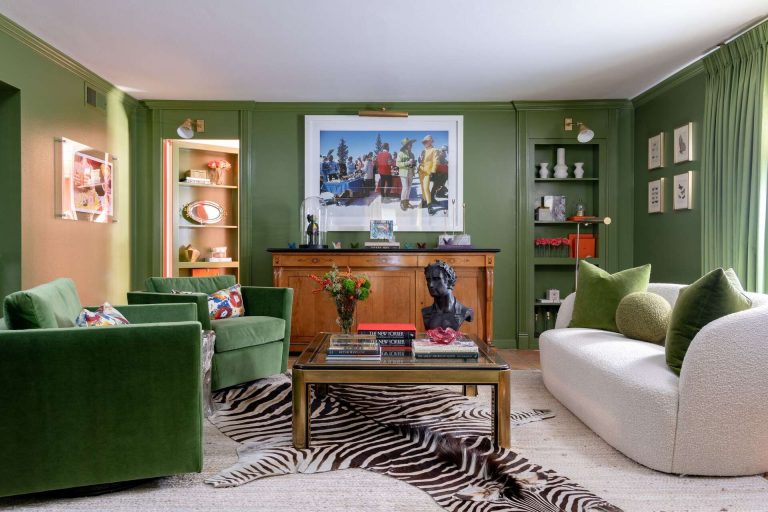
Basement Finishing Ideas That Transform Unused Areas Into Comfortable Living Spaces
A basement is one of the most valuable areas in a home, but many homeowners leave it unfinished or use it only for storage. With thoughtful planning and the right improvements, an unused basement can be transformed into a comfortable living area that adds functionality, style, and value to the property.
Modern basement finishing projects are no longer limited to simple storage rooms or basic renovations. Homeowners are creating entertainment spaces, home offices, guest rooms, fitness areas, playrooms, and private retreats that extend the usable living space of the home.
A successful basement transformation requires careful attention to moisture control, insulation, lighting, flooring, and layout planning. When these elements are properly addressed, a basement can become one of the most enjoyable and practical areas of the entire home.
Evaluate the Basement Condition Before Starting the Remodel
Before beginning a basement finishing project, it is important to evaluate the existing condition of the space. Basements have unique challenges because they are located below ground level and are more exposed to moisture, temperature changes, and ventilation issues.
A proper assessment helps identify potential problems before construction begins. Homeowners should inspect the basement for water leaks, foundation cracks, humidity issues, and existing insulation conditions.
Important areas to evaluate include:
- Moisture levels and drainage
- Foundation condition
- Ceiling height
- Electrical and plumbing systems
- Ventilation quality
Addressing these issues early creates a stronger foundation for a successful basement renovation.
Improve Moisture Protection Before Finishing the Space
Moisture control is one of the most important parts of any basement finishing project. Even a beautifully designed basement can experience serious problems if water issues are ignored.
Excess moisture can lead to mold growth, damaged materials, unpleasant odors, and structural concerns. Before installing walls, flooring, or furniture, homeowners should ensure the basement is properly protected.
Common moisture protection improvements include:
- Repairing foundation cracks
- Improving drainage systems
- Installing waterproof barriers
- Using dehumidification solutions
- Sealing areas where moisture enters
A dry basement provides a healthier environment and helps protect the investment made during remodeling.
Create a Functional Basement Layout
The layout determines how comfortable and practical the finished basement will be. Unlike traditional rooms, basements often require creative planning because of existing structural elements such as support columns, stairs, and mechanical systems.
A good layout should consider how the space will be used and how different areas connect with each other.
Popular basement layout ideas include:
- Entertainment and media areas
- Home offices
- Guest bedrooms
- Fitness rooms
- Play areas
- Hobby spaces
The best layouts maximize available space while maintaining comfortable movement throughout the basement.
Design a Basement Entertainment Area
One of the most popular basement finishing ideas is creating an entertainment space. Because basements are naturally separated from the main living areas, they can provide an ideal location for movies, games, and social gatherings.
A basement entertainment area can include comfortable seating, a media wall, sound systems, and organized storage for games or equipment.
Important design features may include:
- Comfortable seating arrangements
- Proper lighting controls
- Acoustic improvements
- Built-in shelving
- Beverage stations
A well-designed entertainment basement creates a dedicated area where family and friends can relax.
Build a Comfortable Basement Home Office
With the growth of remote work, many homeowners are converting unused basement areas into professional workspaces.
A basement home office provides privacy and separation from household distractions. With proper lighting, insulation, and organization, it can become a highly productive environment.
Important features for a basement office include:
- Comfortable desk placement
- Reliable internet connection
- Adequate lighting
- Storage solutions
- Noise control
A finished basement office can improve productivity while making better use of previously unused space.
Add a Basement Guest Room for Extra Accommodation
A finished basement can provide valuable additional sleeping space for guests or family members. A basement guest room offers privacy while maximizing the home’s available living area.
Creating a comfortable basement bedroom requires attention to safety, ventilation, lighting, and building requirements.
A welcoming basement guest room often includes:
- Comfortable flooring
- Closet or storage space
- Proper lighting
- Privacy features
- Comfortable furnishings
With thoughtful design, a basement bedroom can feel just as comfortable as any room above ground.
Choose Durable Basement Flooring Options
Flooring selection is especially important in basements because these areas are more vulnerable to moisture and temperature changes.
The right flooring should provide durability, comfort, and resistance to potential moisture issues.
Popular basement flooring options include:
Luxury vinyl flooring provides water resistance, durability, and a wide variety of designs.
Tile flooring offers excellent moisture protection and long-lasting performance.
Carpet tiles can provide warmth and comfort while allowing individual sections to be replaced if damaged.
Engineered flooring can provide a natural appearance while performing better than traditional hardwood in basement conditions.
Choosing suitable flooring helps create a comfortable and reliable finished basement.
Improve Basement Lighting for a Brighter Space
Many basements suffer from limited natural light, making proper lighting design essential. A dark basement can feel smaller and less inviting, while effective lighting can completely transform the atmosphere.
A layered lighting approach creates the best results by combining general, task, and accent lighting.
Modern basement lighting ideas include:
- Recessed ceiling lights
- Wall sconces
- LED strip lighting
- Decorative fixtures
Light colors, mirrors, and reflective surfaces can also help make basement spaces feel larger and brighter.
Increase Comfort With Proper Insulation
Basements often require additional insulation to maintain comfortable temperatures throughout the year. Without proper insulation, the space may feel cold in winter and uncomfortable during warmer months.
Insulation improvements help regulate temperature and improve energy efficiency.
Benefits of basement insulation include:
- Better temperature control
- Reduced energy costs
- Improved comfort
- Noise reduction
Combining insulation with proper moisture management creates a more comfortable finished living area.
Add Storage Without Sacrificing Living Space
Even after finishing a basement, homeowners often need practical storage solutions. The challenge is creating storage areas without making the space feel crowded.
Smart storage ideas include:
- Built-in cabinets
- Under-stair storage
- Wall-mounted shelves
- Hidden storage compartments
Using unused areas effectively allows homeowners to maintain organization while keeping the basement open and comfortable.
Create a Basement Fitness or Wellness Area
Many homeowners are turning basements into private fitness spaces because they provide separation from the rest of the home.
A basement gym can include exercise equipment, workout flooring, mirrors, and storage systems.
A wellness-focused basement may also include:
- Yoga areas
- Meditation spaces
- Relaxation zones
With proper ventilation and lighting, a basement can become a comfortable personal wellness area.
Improve Basement Ceiling Design
Basement ceilings often contain exposed pipes, wiring, and mechanical systems that can affect appearance. A well-planned ceiling design can improve the overall look of the space.
Common ceiling options include:
- Drop ceilings
- Painted exposed ceilings
- Decorative panels
- Finished drywall ceilings
The right choice depends on accessibility needs, budget, and desired design style.
Add Personal Design Features
The finishing details help transform a basement from a basic renovation into a personalized living space.
Design features such as accent walls, artwork, decorative lighting, and custom furniture can add character and make the area feel connected to the rest of the home.
Choosing colors, textures, and finishes that match the home’s overall style creates a more cohesive appearance.
Consider Professional Basement Finishing Services
While some basement improvements can be completed as DIY projects, professional assistance can be valuable for complex renovations involving electrical work, plumbing, insulation, and structural changes.
Professional contractors can help ensure:
- Proper moisture protection
- Safe electrical installation
- Efficient space planning
- Quality finishing work
A professional approach can improve the durability and long-term performance of the finished basement.
Final Thoughts
Finishing a basement is one of the best ways to increase usable space and improve the value of a home. With proper planning, an unused lower level can become a comfortable entertainment area, office, guest room, gym, or family retreat.
The key to a successful basement transformation is balancing design with practical requirements. Moisture control, insulation, lighting, flooring, and storage all play important roles in creating a space that remains comfortable and functional for years.
A finished basement is more than an additional room. It is an opportunity to expand the lifestyle possibilities of your home while making better use of existing space.
Frequently Asked Questions (FAQs)
What is the first step in finishing a basement?
The first step is evaluating the basement condition, including moisture problems, insulation, ventilation, foundation issues, and available space. Addressing these factors ensures a successful renovation.
How can I make a basement feel less dark?
A basement can feel brighter by adding layered lighting, using light-colored finishes, installing reflective surfaces, and maximizing any available natural light.
What flooring is best for a finished basement?
Water-resistant options such as luxury vinyl, tile, engineered flooring, and carpet tiles are popular choices because they provide durability and comfort in basement environments.
Does finishing a basement increase home value?
Yes, a professionally finished basement can increase home value by adding usable living space and creating additional functional areas for homeowners and future buyers.
How can I prevent moisture problems in a finished basement?
Prevent moisture problems by waterproofing the foundation, improving drainage, sealing cracks, controlling humidity, and using moisture-resistant construction materials.