Prefabricated Home Components: How Factory-Built Construction Is Changing Remodeling and Building Speed
The construction industry has traditionally depended on on-site labor, weather conditions, and long project timelines. Whether building a new home or renovating an existing property, homeowners often deal with delays, unexpected costs, and challenges caused by changing site conditions. However, a new approach is gaining attention: prefabricated home components.
Factory-built construction is changing the way homes are designed, remodeled, and assembled. Instead of creating every part of a building at the construction site, many components are manufactured in controlled factory environments and then transported for installation. This method can improve efficiency, reduce waste, and help projects move faster without sacrificing quality.
From wall panels and bathroom units to complete modular sections, prefabricated components are becoming an important part of modern residential construction.
What Are Prefabricated Home Components?
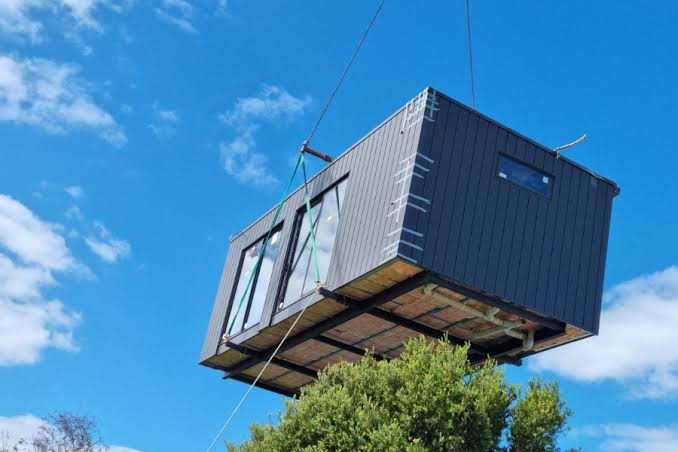
Prefabricated home components are building parts that are produced away from the construction site in a factory or specialized facility. These pieces are then delivered and assembled at the property.
Unlike traditional construction, where workers build everything from the foundation upward at the location, prefabrication allows manufacturers to complete certain stages before materials reach the site.
Common prefabricated components include:
- Wall panels
- Roof systems
- Floor sections
- Staircases
- Kitchen modules
- Bathroom pods
- Electrical panels
- Plumbing assemblies
- Insulated structural panels
- Modular room sections
The goal is to move complex construction tasks into a controlled environment where quality, timing, and material usage can be managed more effectively.
How Factory-Built Construction Speeds Up Projects
One of the biggest advantages of prefabricated construction is reduced project time. Traditional building methods often face delays due to weather, labor shortages, material availability, and scheduling conflicts.
Factory production helps solve many of these problems because manufacturing can continue regardless of outdoor conditions.
For example, while foundation work is being completed on-site, wall panels or interior sections can already be prepared in a factory. Once the site is ready, the components can be delivered and installed quickly.
This parallel workflow can significantly shorten construction schedules.
A home renovation that might normally take several months can sometimes be completed faster when certain sections are prefabricated.
The Role of Prefabrication in Home Remodeling
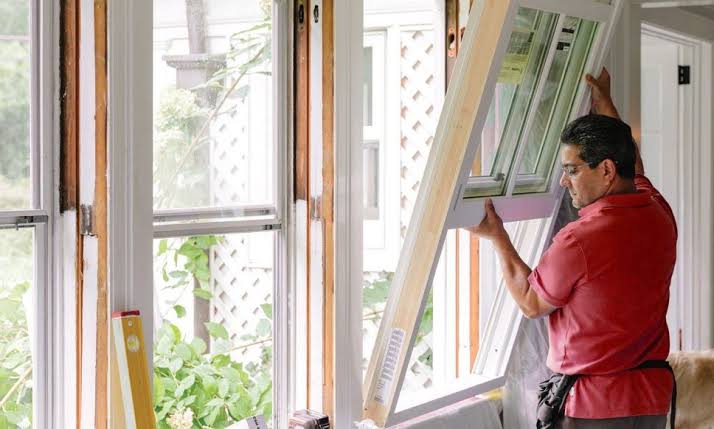
Many homeowners assume prefabricated construction is only for new houses, but it is becoming increasingly useful in remodeling projects.
Renovations often involve challenges such as limited space, older structures, and unpredictable conditions behind walls. Prefabricated components can make upgrades easier by reducing the amount of disruptive work happening inside the home.
Examples include:
Prefabricated Bathrooms
Bathroom renovations are often among the most complicated home improvement projects because they involve plumbing, waterproofing, electrical work, and detailed finishing.
Factory-built bathroom pods allow many of these tasks to be completed before installation. A fully prepared bathroom unit can arrive ready to connect with existing systems.
This approach can reduce construction mess and improve consistency.
Modular Kitchen Systems
Modern prefabricated kitchens are designed with cabinets, storage solutions, countertops, and sometimes appliances integrated into a single planned system.
Instead of coordinating multiple contractors, homeowners can use factory-built solutions that are measured and assembled with precision.
Wall and Ceiling Panels
Prefabricated wall systems can improve renovation speed, especially for extensions, additions, and interior redesign projects.
Manufacturers can create panels with insulation, wiring channels, and structural elements already included.
Quality Control Advantages of Factory Manufacturing
One common misconception about prefabricated construction is that faster building means lower quality. In many cases, the opposite can be true.
Factory environments provide better control over:
- Material storage
- Measurements
- Assembly conditions
- Quality inspections
- Worker safety
- Production consistency
Construction materials are protected from rain, extreme temperatures, and other environmental issues that can affect quality.
For example, wood components exposed to moisture during traditional construction may experience warping or damage. Factory production reduces this risk by keeping materials in controlled conditions.
Reducing Construction Waste
The construction industry produces a significant amount of material waste. Cutting materials on-site often results in leftover pieces that cannot be reused.
Prefabrication helps reduce waste through accurate planning and computer-controlled manufacturing.
Factories can calculate material requirements more precisely, allowing better use of resources.
Benefits include:
- Less discarded material
- More efficient production
- Lower transportation waste
- Better recycling opportunities
For homeowners interested in sustainable building practices, prefabricated components can support environmentally responsible construction.
Cost Considerations of Prefabricated Construction
The cost of prefabricated components depends on several factors, including design complexity, materials, transportation, and installation requirements.
While factory-built construction can reduce labor expenses and project delays, the initial cost may not always be lower than traditional methods.
Homeowners should consider the complete project value rather than only the upfront price.
Potential savings may come from:
- Shorter construction periods
- Reduced labor requirements
- Fewer material mistakes
- Lower waste
- More predictable project timelines
However, transportation costs and customization requirements can increase expenses in some situations.
Challenges of Prefabricated Home Components
Although prefabrication offers many benefits, it also has limitations.
Transportation Restrictions
Large components must be transported from factories to construction sites. Distance, road conditions, and size restrictions can affect feasibility.
Design Limitations
Some factory-built systems are based on standardized designs. Highly customized homes may require additional planning or specialized manufacturing.
Site Preparation Requirements
Prefabricated components still require proper foundations, measurements, and installation planning. Poor site preparation can create problems during assembly.
Finding Experienced Installers
Successful installation requires professionals familiar with prefabricated systems. Incorrect assembly can reduce performance and create future issues.
The Future of Factory-Built Homes and Remodeling
Technology is making prefabricated construction more advanced every year. Modern factories use digital design tools, automated manufacturing equipment, and improved materials to create more flexible building solutions.
Future developments may include:
- AI-assisted home design
- 3D-printed building components
- More customizable modular systems
- Energy-efficient factory-built homes
- Smart home components integrated during production
As housing demand increases and construction challenges continue, prefabricated solutions are likely to become more common.
Is Prefabricated Construction Right for Homeowners?
Prefabricated home components are not a replacement for every traditional construction method, but they provide a valuable alternative for many projects.
They are especially useful for homeowners who want:
- Faster completion times
- More predictable costs
- Reduced construction disruption
- Better material efficiency
- Modern building solutions
Before choosing prefabrication, homeowners should evaluate their project goals, location, budget, and design requirements.
Final Thoughts
Prefabricated home components are changing the future of residential construction by making building and remodeling processes faster, more efficient, and more controlled. Factory-built construction allows many complex tasks to be completed before materials arrive at the property, reducing delays and improving consistency.
As technology continues to advance, prefabricated systems will likely become an increasingly important part of home improvement and construction. For homeowners, builders, and designers, this approach offers a new way to create high-quality spaces while saving time, reducing waste, and adapting to modern housing needs.