Complete Diagnostic Testing Guide: Blood Tests, MRI, CT Scan, X-Ray, Ultrasound, ECG, Cancer Screening, Costs, and Preparation Tips
Medical diagnostic tests play an important role in detecting health problems, monitoring existing conditions, and helping doctors choose the right treatment. From simple blood tests to advanced imaging scans, diagnostic testing allows healthcare professionals to look beyond symptoms and understand what is happening inside the body.
Many people feel nervous before undergoing a medical test because they are unsure about the process, preparation, cost, or results. Understanding how different diagnostic tests work can make the experience easier and help patients make informed decisions about their health.
This complete diagnostic testing guide explains common medical tests, including blood tests, MRI scans, CT scans, X-rays, ultrasounds, ECGs, cancer screening tests, their costs, preparation requirements, and what patients should expect.
What Are Diagnostic Tests?
Diagnostic tests are medical procedures used to identify diseases, injuries, infections, or changes in body functions. Doctors use these tests along with medical history and physical examinations to make accurate diagnoses.
Some diagnostic tests analyze body fluids such as blood or urine, while others create images of internal organs, tissues, and bones. Certain tests monitor body functions, such as heart rhythm or brain activity.
Common reasons doctors recommend diagnostic testing include:
- Finding the cause of unexplained symptoms
- Detecting diseases at an early stage
- Monitoring chronic health conditions
- Checking how well treatments are working
- Assessing overall health during routine checkups
- Screening for diseases before symptoms appear
Early detection through diagnostic testing can improve treatment outcomes and sometimes prevent serious health complications.
Blood Tests: The Most Common Diagnostic Tool
Blood tests are among the most frequently performed medical tests. They provide valuable information about a person’s overall health by analyzing blood components such as cells, proteins, hormones, glucose, and cholesterol levels.
A small blood sample is usually collected from a vein in the arm using a needle. The sample is then analyzed in a laboratory.
Common Types of Blood Tests
Complete Blood Count (CBC)
A complete blood count measures different types of blood cells, including:
- Red blood cells
- White blood cells
- Platelets
- Hemoglobin levels
Doctors use CBC tests to detect conditions such as anemia, infections, inflammation, and certain blood disorders.
Blood Glucose Test
Blood glucose testing measures sugar levels in the blood. It is commonly used for diagnosing and monitoring diabetes.
Cholesterol Test
A lipid profile checks cholesterol levels, including:
- LDL (bad cholesterol)
- HDL (good cholesterol)
- Triglycerides
High cholesterol can increase the risk of heart disease and stroke.
Liver Function Test
These tests measure enzymes and proteins related to liver health. They help detect liver damage, infections, or problems with liver function.
Kidney Function Test
Kidney tests measure substances such as creatinine and blood urea nitrogen (BUN) to evaluate kidney performance.
Blood Test Preparation Tips
Preparation depends on the specific test. Some blood tests require fasting for 8 to 12 hours, while others do not.
Before a blood test:
- Follow your doctor’s instructions carefully
- Drink enough water unless restricted
- Avoid heavy exercise before certain tests
- Inform your doctor about medications and supplements
Blood tests are usually quick, with minimal discomfort.
MRI Scan: Detailed Imaging Without Radiation
Magnetic Resonance Imaging (MRI) is an advanced imaging test that uses strong magnets and radio waves to create detailed pictures of organs, tissues, and structures inside the body.
MRI scans are commonly used to examine:
- Brain and spinal cord
- Joints and muscles
- Heart and blood vessels
- Internal organs
- Tumors and abnormal growths
Unlike X-rays and CT scans, MRI does not use ionizing radiation.
How an MRI Works
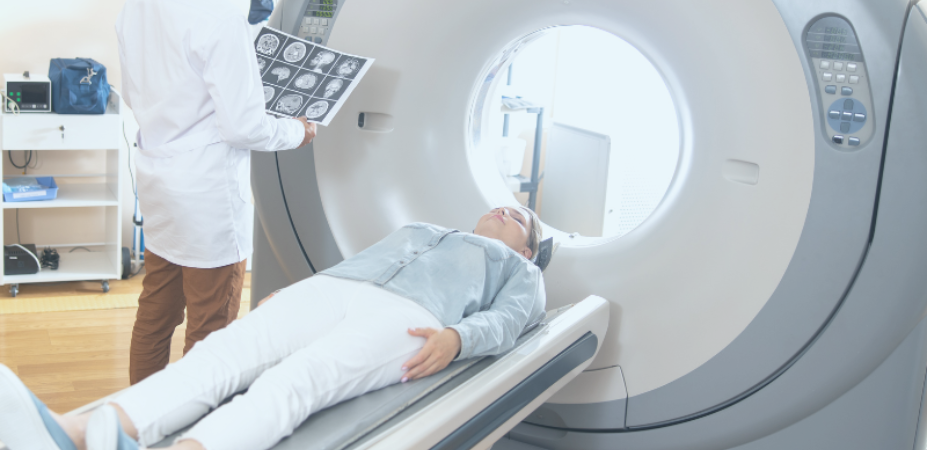
During an MRI scan, the patient lies on a moving table that slides into a large tube-shaped machine. The machine creates magnetic fields and radio waves to produce detailed images.
The procedure can take between 20 minutes and one hour depending on the body area being examined.
MRI Preparation Tips
Before an MRI:
- Remove metal objects such as jewelry and watches
- Inform the technician about implants or medical devices
- Follow instructions about eating and drinking
- Tell your doctor if you experience anxiety in enclosed spaces
Some MRI scans require contrast dye to improve image quality. Patients should inform doctors about kidney problems or previous reactions to contrast materials.
CT Scan: Fast and Detailed Internal Imaging
A Computed Tomography (CT) scan combines X-rays and computer technology to create detailed cross-sectional images of the body.
CT scans are often used in emergency situations because they provide fast results.
Doctors may recommend CT scans for:
- Head injuries
- Internal bleeding
- Bone fractures
- Lung conditions
- Abdominal problems
- Cancer detection and monitoring
CT Scan Procedure
During a CT scan, the patient lies on a table that moves through a circular scanning machine. The process usually takes only a few minutes.
Some CT scans require contrast material, which helps highlight certain organs or blood vessels.
CT Scan Preparation
Preparation may include:
- Fasting before contrast scans
- Drinking fluids if instructed
- Informing doctors about allergies
- Sharing information about pregnancy
Because CT scans use radiation, doctors consider the benefits and risks before recommending them.
X-Ray: A Simple and Quick Imaging Test
An X-ray is one of the oldest and most commonly used imaging tests. It uses a small amount of radiation to create pictures of bones and certain body tissues.
X-rays are commonly used for:
- Bone fractures
- Chest infections
- Lung problems
- Dental issues
- Joint conditions
What Happens During an X-Ray?
Patients usually stand, sit, or lie down while an X-ray machine captures images of the targeted area.
The procedure is painless and usually takes only a few minutes.
X-Ray Preparation Tips
Most X-rays require little preparation. Patients may need to:
- Remove metal objects
- Wear a hospital gown
- Inform the technician about pregnancy
Ultrasound: Safe Imaging Using Sound Waves
Ultrasound uses high-frequency sound waves to create images of organs and tissues. It does not use radiation, making it a popular choice for pregnancy monitoring and many other medical evaluations.
Ultrasound is commonly used for:
- Pregnancy scans
- Abdominal organs
- Thyroid examination
- Heart imaging
- Blood vessel evaluation
- Detecting cysts or masses
Ultrasound Procedure
A healthcare professional applies a gel to the skin and moves a handheld device called a transducer over the examination area.
The process is usually painless and takes between 15 and 45 minutes.
Ultrasound Preparation
Preparation depends on the type of ultrasound.
Examples:
- Abdominal ultrasound may require fasting
- Pelvic ultrasound may require a full bladder
- Pregnancy ultrasound instructions vary by stage
ECG: Checking Heart Activity
An Electrocardiogram (ECG or EKG) records the electrical activity of the heart. It is a quick and painless test used to detect heart rhythm problems.
Doctors use ECGs to identify:
- Irregular heartbeat
- Heart attack signs
- Heart rhythm disorders
- Heart muscle problems
ECG Procedure
Small electrodes are placed on the chest, arms, and legs. The machine records the heart’s electrical signals.
The test usually takes only a few minutes.
ECG Preparation Tips
Before an ECG:
- Avoid applying lotions or oils on the skin
- Wear comfortable clothing
- Inform your doctor about medications
- Remain still during the test
Cancer Screening Tests: Detecting Cancer Early
Cancer screening tests help detect cancer before symptoms develop. Early detection often improves treatment options and survival chances.
Common cancer screening tests include:
Mammogram
A mammogram uses X-ray imaging to detect breast cancer, especially in women at higher risk.
Pap Smear and HPV Test
These tests screen for cervical cancer by identifying abnormal cervical cells or HPV infections.
Colonoscopy
A colonoscopy examines the inside of the colon to detect polyps or signs of colorectal cancer.
Prostate Screening
Prostate-specific antigen (PSA) blood testing may help detect prostate problems, including cancer.
Lung Cancer Screening
Low-dose CT scans may be recommended for certain high-risk individuals, especially long-term smokers.
The right screening schedule depends on age, family history, lifestyle factors, and personal health risks.
Diagnostic Testing Costs
The cost of medical tests varies widely depending on:
- Type of test
- Location
- Healthcare facility
- Insurance coverage
- Need for contrast materials
- Additional laboratory analysis
General cost ranges may include:
- Basic blood tests: Low to moderate cost
- X-rays: Affordable compared with advanced imaging
- Ultrasounds: Moderate cost
- CT scans: Higher cost due to advanced technology
- MRI scans: Often among the most expensive imaging tests
- Cancer screening: Costs vary depending on the screening method
Health insurance may cover many medically necessary diagnostic tests, but coverage depends on the policy and healthcare provider network.
Patients should check:
- Insurance benefits
- Deductibles
- Copayments
- Out-of-pocket expenses
How to Prepare for Diagnostic Testing
Proper preparation can improve test accuracy and reduce stress.
Follow Medical Instructions
Always follow your doctor’s preparation guidelines. Different tests have different requirements.
Bring Medical Information
Carry:
- Previous test results
- Medication lists
- Allergy information
- Insurance documents
Ask Questions
Before any test, ask your healthcare provider:
- Why is this test needed?
- How should I prepare?
- Are there any risks?
- When will results be available?
Stay Relaxed
Many diagnostic tests are simple and routine. Understanding the process can reduce anxiety.
Understanding Diagnostic Test Results
Test results should always be interpreted by a qualified healthcare professional. A result outside the normal range does not always mean a serious disease exists.
Doctors consider:
- Symptoms
- Medical history
- Age
- Risk factors
- Other test results
Sometimes additional testing is needed to confirm a diagnosis.
Avoid self-diagnosing based only on online information or individual test values.
Importance of Regular Diagnostic Testing
Regular health screenings and diagnostic tests help identify problems early when treatment is often easier and more effective.
Preventive testing can help detect:
- High blood pressure
- Diabetes
- Heart disease risks
- Cancer
- Nutritional deficiencies
- Organ function problems
A personalized testing schedule based on age, lifestyle, and medical history can support long-term health.
Final Thoughts
Diagnostic testing is a vital part of modern healthcare. From simple blood tests to advanced MRI and CT scans, these tools help doctors understand the body, identify diseases, and create effective treatment plans.
Knowing what to expect before a diagnostic test can make the experience more comfortable. Whether you need routine screening or testing for specific symptoms, preparation, communication with your healthcare provider, and understanding your results are key steps toward better health.
Regular medical checkups and appropriate diagnostic testing can provide valuable insights into your health and help you take action before small problems become serious conditions.