Complete Guide to Ethnic Wear for Men, Women, and Kids: Traditional Styles, Modern Trends, Accessories, Footwear, and Buying Tips
Ethnic wear has always been more than just clothing. It represents culture, tradition, craftsmanship, and personal identity while evolving with changing fashion trends. Whether it’s a festive celebration, wedding, religious ceremony, family gathering, or cultural event, traditional attire continues to hold a special place in wardrobes around the world.
Today’s ethnic fashion combines timeless elegance with contemporary styling. Designers are introducing modern cuts, lightweight fabrics, fusion designs, and comfortable silhouettes that make traditional outfits suitable for both grand occasions and casual celebrations. From embroidered sherwanis and elegant sarees to comfortable kurtas and colorful lehengas for children, ethnic wear now offers something for everyone.
This complete guide explores ethnic wear for men, women, and kids, including traditional styles, modern trends, accessories, footwear, styling ideas, and practical buying tips.
What Is Ethnic Wear?
Ethnic wear refers to clothing that reflects the traditional culture and heritage of a particular region or country. These garments are often worn during weddings, festivals, religious ceremonies, cultural events, and family celebrations.
Unlike fast-changing fashion trends, ethnic wear preserves historical craftsmanship while adapting to modern lifestyles. Hand embroidery, weaving techniques, block printing, mirror work, beadwork, and handcrafted embellishments continue to define many traditional garments.
Today, ethnic fashion balances authenticity with comfort, making it suitable for everyday occasions as well as formal events.
Popular Ethnic Wear for Women
Women’s ethnic fashion offers countless styles suitable for every age and occasion.
Saree
The saree remains one of the most elegant traditional garments. Available in countless fabrics, colors, and draping styles, it suits both formal and festive occasions.
Popular saree fabrics include:
- Silk
- Cotton
- Chiffon
- Georgette
- Organza
- Linen
- Satin
- Tissue silk
Modern sarees feature pre-stitched pleats, lightweight fabrics, digital prints, and designer blouses for easier wear.
Salwar Kameez
One of the most comfortable ethnic outfits, the salwar kameez includes three pieces:
- Kameez (top)
- Salwar or pants
- Dupatta
Different styles include:
- Straight cut suits
- Anarkali suits
- Palazzo suits
- Sharara suits
- Pakistani suits
- Patiala suits
- Churidar suits
These outfits work well for office wear, festivals, weddings, and casual gatherings.
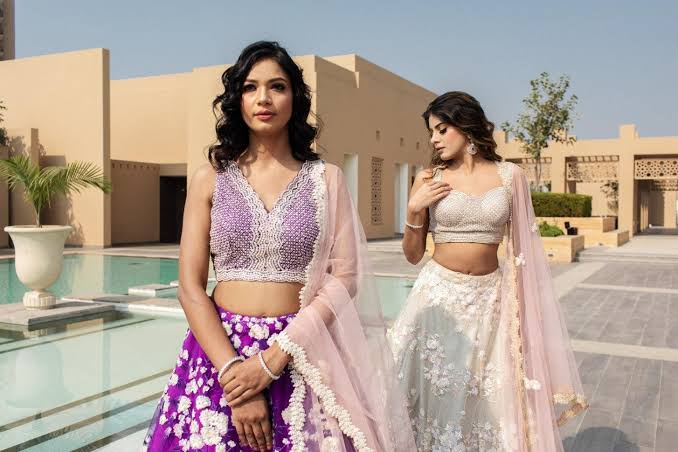
Lehenga Choli
Lehengas are especially popular during weddings and festivals.
The outfit consists of:
- Long flared skirt
- Decorative blouse
- Dupatta
Modern designers have introduced:
- Pastel shades
- Lightweight embroidery
- Cape blouses
- Jacket-style lehengas
- Ruffle dupattas
- Minimalist bridal designs
Anarkali Dresses
Inspired by royal Mughal fashion, Anarkalis feature a fitted bodice with a flowing skirt. They offer elegance without compromising comfort and suit women of various body types.
Indo-Western Fusion Wear
Fusion fashion combines traditional embroidery with western silhouettes.
Examples include:
- Kurti with jeans
- Crop top with lehenga skirt
- Saree gowns
- Cape jackets
- Ethnic jumpsuits
- Peplum kurtis
- Jacket dresses
These outfits are increasingly popular among younger generations.
Traditional Ethnic Wear for Men
Men’s ethnic fashion has expanded far beyond simple kurtas. Today’s collections combine royal aesthetics with contemporary tailoring.
Kurta Pajama
The kurta pajama remains the most versatile traditional outfit.
It can be worn for:
- Festivals
- Religious ceremonies
- Family functions
- Casual gatherings
- Office celebrations
Modern kurtas feature:
- Mandarin collars
- Asymmetrical cuts
- Printed fabrics
- Linen materials
- Cotton blends
- Short kurtas
Sherwani
Sherwanis are considered the ultimate wedding attire for men.
Traditional sherwanis feature:
- Heavy embroidery
- Silk fabrics
- Brocade work
- Velvet details
- Intricate buttons
Modern sherwanis use lighter materials for improved comfort while maintaining luxurious appearance.
Bandhgala
Often called the Jodhpuri suit, the Bandhgala offers a sophisticated look suitable for formal events.
It pairs well with:
- Trousers
- Churidars
- Jodhpuri pants
Nehru Jacket
A Nehru jacket instantly elevates a simple kurta.
It can also be paired with:
- Shirts
- Trousers
- Jeans
- Chinos
This makes it one of the most versatile ethnic wardrobe additions.
Dhoti Kurta
Although rooted in tradition, the dhoti kurta has experienced a modern revival.
Contemporary versions include:
- Pre-stitched dhotis
- Draped pants
- Designer kurtas
- Minimal embroidery
These outfits are increasingly popular during weddings and religious celebrations.
Ethnic Wear for Kids
Children’s ethnic fashion focuses on comfort while preserving traditional charm.
Girls
Popular outfits include:
- Lehenga choli
- Anarkali dresses
- Sharara sets
- Mini sarees
- Kurti with leggings
- Gowns with ethnic embroidery
Soft fabrics and lightweight embellishments allow easy movement during celebrations.
Boys
Popular options include:
- Kurta pajama
- Waistcoat sets
- Dhoti kurta
- Sherwani sets
- Pathani suits
- Indo-western jackets
Bright colors and playful prints make children’s ethnic clothing more appealing.
Choosing the Right Fabric
Fabric plays a major role in comfort, appearance, and durability.
Cotton
Ideal for:
- Daily wear
- Summer festivals
- Religious gatherings
Advantages include breathability and comfort.
Silk
Best suited for:
- Weddings
- Formal events
- Traditional ceremonies
Silk offers luxury and timeless elegance.
Linen
Linen provides:
- Breathability
- Lightweight comfort
- Sophisticated texture
Perfect for daytime celebrations.
Velvet
Velvet creates a rich appearance suitable for winter weddings and evening events.
Georgette and Chiffon
These lightweight fabrics offer graceful movement, making them ideal for sarees and party wear.
Modern Ethnic Fashion Trends
Traditional clothing continues evolving with changing lifestyles.
Current trends include:
Pastel Colors
Soft shades like blush pink, mint green, lavender, beige, ivory, and powder blue dominate wedding fashion.
Minimal Embroidery
Rather than heavy embellishments, many buyers now prefer elegant thread work with subtle detailing.
Sustainable Fashion
Handwoven fabrics, organic cotton, natural dyes, and artisan-made garments are gaining popularity among environmentally conscious shoppers.
Fusion Styling
Mixing ethnic and western pieces has become increasingly fashionable.
Examples include:
- Sneakers with kurtas
- Blazers over ethnic wear
- Denim jackets with sarees
- Boots with lehengas
Coordinated Family Outfits
Matching outfits for parents and children have become a favorite choice during weddings and festivals.
Essential Accessories
Accessories complete an ethnic look without overwhelming the outfit.
Women’s Accessories
Popular choices include:
- Statement earrings
- Bangles
- Maang tikka
- Nose rings
- Anklets
- Waist belts
- Clutches
- Potli bags
- Layered necklaces
- Hair accessories
Choose accessories according to the occasion and outfit complexity.
Men’s Accessories
Traditional accessories include:
- Pocket squares
- Brooches
- Turbans
- Safas
- Stoles
- Watches
- Cufflinks
- Beaded necklaces
- Rings
Well-selected accessories enhance sophistication without appearing excessive.
Choosing the Right Footwear
Footwear should complement the outfit while remaining comfortable.
Women’s Footwear
Popular choices include:
- Embroidered juttis
- Kolhapuri sandals
- Block heels
- Wedges
- Mojaris
- Traditional sandals
- Embellished flats
Comfort is especially important during weddings and long celebrations.
Men’s Footwear
Traditional options include:
- Mojaris
- Juttis
- Kolhapuri sandals
- Leather sandals
- Loafers
- Formal ethnic shoes
Neutral shades pair well with most outfits.
Kids’ Footwear
Children need lightweight footwear that allows easy movement.
Good options include:
- Soft juttis
- Comfortable sandals
- Cushioned loafers
- Flexible flats
Avoid shoes that are too tight or heavy.
Styling Tips for Different Occasions
Different occasions call for different styling approaches.
Weddings
Choose luxurious fabrics with detailed embroidery.
Women can opt for silk sarees or lehengas, while men can wear sherwanis or embroidered kurtas.
Festivals
Bright colors, comfortable fabrics, and traditional accessories create the perfect festive appearance.
Office Celebrations
Keep styling elegant but understated.
Simple kurtas, cotton sarees, and minimal jewelry work well.
Family Gatherings
Comfort should be the priority.
Lightweight fabrics and simple accessories create a polished yet relaxed look.
How to Choose the Perfect Ethnic Outfit
Selecting the right outfit involves more than following trends.
Consider these factors:
Occasion
Heavy embroidery suits weddings, while simpler designs work better for festivals and casual celebrations.
Weather
Choose breathable fabrics during summer and richer materials during winter.
Body Type
Different silhouettes flatter different body shapes.
For example:
- Straight cuts create a slimming appearance.
- Flared outfits add balance.
- Structured jackets provide definition.
- High-waisted lehengas elongate the figure.
Comfort
Even the most beautiful outfit loses its appeal if it’s uncomfortable to wear.
Check:
- Fabric softness
- Proper fit
- Ease of movement
- Weight of embroidery
Color Selection
Choose colors that complement your skin tone and suit the occasion.
Bright shades are perfect for festivals, while pastel tones create an elegant appearance for daytime events.
Buying Ethnic Wear Online
Online shopping offers convenience but requires careful consideration.
Check Size Charts
Sizes vary significantly between brands.
Always compare body measurements with the provided size chart.
Read Customer Reviews
Reviews often reveal valuable information about:
- Fabric quality
- Fit
- Stitching
- Color accuracy
- Comfort
Examine Product Images
Look for multiple images showing:
- Front
- Back
- Close-up embroidery
- Fabric texture
Understand Return Policies
Ensure the seller offers reasonable exchange or return options in case the garment doesn’t meet expectations.
Compare Prices
Don’t purchase the first option you find.
Compare prices across multiple retailers to identify the best value.
Caring for Ethnic Wear
Proper care extends the life of traditional garments.
General maintenance tips include:
- Dry clean heavily embroidered outfits.
- Fold sarees properly to prevent creases.
- Store silk garments in breathable fabric bags.
- Avoid direct sunlight during storage.
- Air garments occasionally to prevent moisture buildup.
- Keep jewelry separate from clothing to avoid snags.
- Follow washing instructions carefully.
Regular maintenance preserves fabric quality, embroidery, and color for years.
Common Mistakes to Avoid
Many people unintentionally reduce the elegance of ethnic wear through poor styling choices.
Avoid these common mistakes:
- Wearing too many accessories at once.
- Choosing uncomfortable footwear.
- Ignoring proper tailoring.
- Mixing too many patterns.
- Wearing heavy fabrics in hot weather.
- Purchasing without checking measurements.
- Neglecting garment care instructions.
Simple styling often creates the most refined appearance.
Final Thoughts
Ethnic wear continues to evolve while honoring centuries of tradition and craftsmanship. Whether you prefer classic sarees, elegant sherwanis, comfortable kurtas, stylish lehengas, or modern fusion outfits, today’s ethnic fashion offers endless possibilities for every age and occasion.
The key to choosing the perfect ethnic outfit lies in balancing tradition with personal style. Comfortable fabrics, proper fit, thoughtfully selected accessories, and suitable footwear all contribute to a polished appearance. Investing in quality garments, caring for them properly, and selecting timeless designs ensures that your ethnic wardrobe remains stylish for years to come.
As fashion continues to embrace both heritage and innovation, ethnic wear remains a beautiful expression of culture, individuality, and celebration. Whether dressing for a wedding, festival, family gathering, or cultural event, the right traditional outfit allows you to honor tradition while expressing your own unique sense of style.