Respiratory Health: Protecting Your Lungs from Pollution, Allergies, and Disease
Respiratory health plays a vital role in overall well-being. Every breath delivers oxygen to the body while removing carbon dioxide, allowing every organ to function properly. Healthy lungs make everyday activities like walking, exercising, working, and even sleeping easier. Unfortunately, modern lifestyles expose people to increasing levels of air pollution, allergens, cigarette smoke, and infectious diseases that can gradually weaken lung function.
Many respiratory conditions develop slowly, often without noticeable symptoms during their early stages. Persistent coughing, shortness of breath, wheezing, and frequent respiratory infections should never be ignored. Fortunately, many lung diseases are preventable, and healthy habits can significantly reduce the risk of developing chronic respiratory problems.
This comprehensive guide explains how the respiratory system works, common threats to lung health, practical prevention strategies, and lifestyle changes that help keep your lungs healthy throughout life.
Understanding the Respiratory System
The respiratory system is responsible for supplying oxygen to the bloodstream and removing carbon dioxide from the body. It consists of several organs working together:
- Nose and nasal passages
- Mouth
- Throat (pharynx)
- Voice box (larynx)
- Windpipe (trachea)
- Bronchi
- Bronchioles
- Lungs
- Alveoli (tiny air sacs)
- Diaphragm
When you inhale, air travels through the nose or mouth into the lungs. Inside millions of tiny alveoli, oxygen passes into the bloodstream while carbon dioxide moves out to be exhaled.
Healthy lungs contain elastic tissues that expand and contract effortlessly. Damage caused by smoking, pollution, or disease reduces this flexibility, making breathing more difficult.
Why Respiratory Health Matters
Your lungs work continuously without rest. They support every cell in your body by delivering oxygen necessary for energy production.
Healthy lungs contribute to:
- Better physical endurance
- Improved brain function
- Stronger immune defense
- Healthy heart function
- Better sleep quality
- Higher energy levels
- Reduced risk of chronic disease
Poor respiratory health affects much more than breathing. Oxygen deficiency impacts the brain, muscles, heart, and immune system, reducing quality of life.
Common Threats to Lung Health
Many environmental and lifestyle factors gradually damage the respiratory system.
Air Pollution
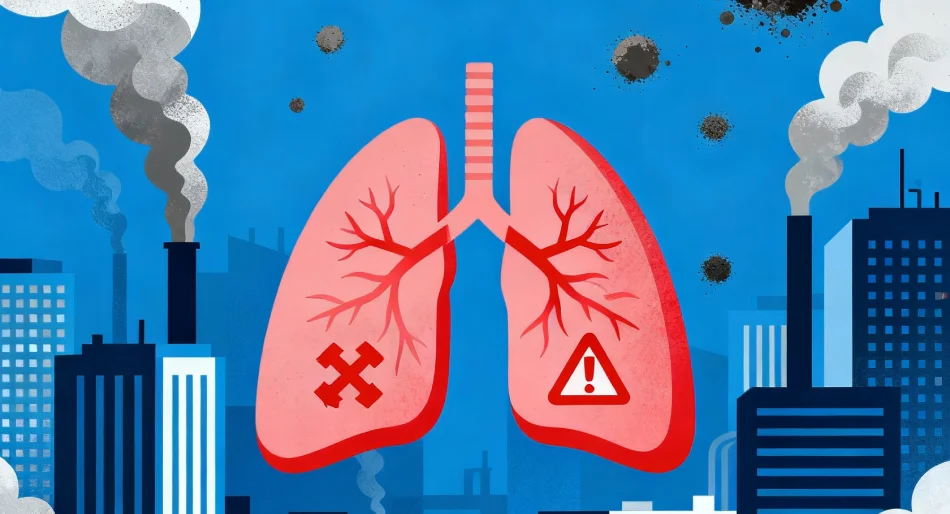
Air pollution is one of the biggest global threats to respiratory health.
Major pollutants include:
- Vehicle exhaust
- Industrial emissions
- Wildfire smoke
- Dust particles
- Construction debris
- Chemical fumes
- Indoor smoke
- Burning coal or wood
Long-term exposure increases the risk of:
- Asthma
- Chronic bronchitis
- Chronic obstructive pulmonary disease (COPD)
- Lung cancer
- Reduced lung development in children
Allergens
Allergens trigger immune reactions that affect breathing.
Common airborne allergens include:
- Pollen
- Dust mites
- Pet dander
- Mold spores
- Cockroach particles
- Grass pollen
- Tree pollen
For people with allergies or asthma, exposure may cause:
- Sneezing
- Wheezing
- Nasal congestion
- Chest tightness
- Shortness of breath
Cigarette Smoking
Smoking remains the leading preventable cause of lung disease worldwide.
Tobacco smoke contains thousands of harmful chemicals that damage lung tissue and reduce oxygen exchange.
Smoking contributes to:
- COPD
- Emphysema
- Chronic bronchitis
- Lung cancer
- Pneumonia
- Heart disease
Even occasional smoking causes measurable lung damage over time.
Secondhand Smoke
Non-smokers exposed to secondhand smoke also face increased risks of respiratory disease.
Children are especially vulnerable and may develop:
- Asthma
- Ear infections
- Bronchitis
- Pneumonia
- Reduced lung growth
Occupational Hazards
Certain workplaces expose employees to harmful airborne substances.
Examples include:
- Construction dust
- Asbestos
- Silica dust
- Chemical vapors
- Welding fumes
- Mining dust
- Agricultural pesticides
Using proper protective equipment helps minimize long-term damage.
Respiratory Infections
Viruses and bacteria can temporarily or permanently affect lung health.
Common infections include:
- Influenza
- COVID-19
- Pneumonia
- Tuberculosis
- Bronchitis
Preventive measures reduce the spread and severity of these illnesses.
Common Respiratory Diseases
Asthma
Asthma causes inflammation and narrowing of the airways.
Symptoms include:
- Wheezing
- Persistent coughing
- Chest tightness
- Difficulty breathing
Triggers vary from person to person and may include allergens, exercise, cold air, or pollution.
Chronic Obstructive Pulmonary Disease (COPD)
COPD is a progressive disease usually caused by smoking or long-term exposure to harmful particles.
Symptoms include:
- Chronic cough
- Excess mucus
- Shortness of breath
- Fatigue
Early diagnosis helps slow disease progression.
Pneumonia
Pneumonia is an infection that inflames the air sacs in one or both lungs.
Symptoms may include:
- Fever
- Cough
- Chest pain
- Chills
- Difficulty breathing
Older adults, infants, and people with weakened immune systems are at higher risk.
Lung Cancer
Lung cancer often develops after years of exposure to tobacco smoke or environmental toxins.
Early detection greatly improves treatment outcomes.
Warning signs include:
- Persistent cough
- Coughing up blood
- Chest pain
- Weight loss
- Ongoing fatigue
Bronchitis
Bronchitis occurs when the bronchial tubes become inflamed.
Acute bronchitis usually follows viral infections.
Chronic bronchitis is commonly linked to smoking and COPD.
Signs Your Lungs May Need Medical Attention
Seek medical evaluation if you experience:
- Persistent cough lasting more than three weeks
- Wheezing
- Shortness of breath
- Chest discomfort
- Coughing up blood
- Frequent respiratory infections
- Unexplained fatigue
- Bluish lips or fingertips
- Difficulty exercising due to breathing problems
Early diagnosis often leads to better treatment outcomes.
How Pollution Affects the Lungs
Polluted air contains microscopic particles capable of reaching deep into the lungs.
These particles:
- Irritate airways
- Trigger inflammation
- Damage lung tissue
- Reduce oxygen exchange
- Increase infection risk
- Worsen asthma symptoms
People living in highly polluted urban areas should take additional precautions, particularly during poor air-quality days.
Tips to Protect Yourself from Air Pollution
Simple daily habits can reduce exposure.
- Monitor local air quality reports.
- Stay indoors during heavy smog.
- Keep windows closed when pollution levels are high.
- Use high-quality air purifiers indoors.
- Wear a properly fitted protective mask in heavily polluted environments.
- Avoid exercising near busy roads.
- Plant trees and indoor plants where appropriate.
- Choose cleaner transportation whenever possible.
Managing Allergies for Better Breathing
Controlling allergies reduces stress on the respiratory system.
Helpful strategies include:
- Vacuum frequently using HEPA filters.
- Wash bedding weekly in hot water.
- Reduce indoor humidity.
- Remove mold promptly.
- Keep pets out of bedrooms if allergies exist.
- Shower after spending time outdoors during pollen season.
- Change air-conditioning filters regularly.
Healthcare providers may recommend antihistamines, nasal sprays, or allergy immunotherapy for persistent symptoms.
The Importance of Quitting Smoking
The body begins repairing itself shortly after smoking stops.
Benefits include:
Within 20 minutes:
- Heart rate begins returning to normal.
Within weeks:
- Lung circulation improves.
Within months:
- Coughing decreases.
- Breathing becomes easier.
Within years:
- Risk of lung cancer declines.
- Risk of heart disease decreases significantly.
Regardless of age, quitting smoking improves both life expectancy and quality of life.
Exercise for Stronger Lungs
Regular physical activity strengthens respiratory muscles and improves oxygen efficiency.
Excellent exercises include:
- Walking
- Cycling
- Swimming
- Hiking
- Dancing
- Jogging
- Low-impact aerobics
Adults should aim for at least 150 minutes of moderate exercise each week.
Breathing Exercises
Specific breathing techniques improve lung efficiency.
Diaphragmatic Breathing
This method strengthens the diaphragm.
Steps:
- Sit comfortably.
- Place one hand on your abdomen.
- Inhale slowly through your nose.
- Let your stomach expand.
- Exhale slowly through pursed lips.
Pursed-Lip Breathing
This technique helps people with COPD and asthma.
- Inhale through the nose.
- Exhale slowly through nearly closed lips.
- Make exhalation twice as long as inhalation.
Practice daily for improved breathing control.
Nutrition for Healthy Lungs
A balanced diet supports lung repair and immune function.
Beneficial foods include:
Fruits
- Oranges
- Apples
- Berries
- Kiwi
- Grapefruit
Vegetables
- Spinach
- Kale
- Broccoli
- Carrots
- Bell peppers
Healthy Fats
- Olive oil
- Nuts
- Seeds
- Avocados
Omega-3 Sources
- Salmon
- Sardines
- Flaxseeds
- Walnuts
Hydration
Drinking enough water keeps mucus thin, making it easier to clear the airways.
Vaccinations Help Prevent Respiratory Disease
Vaccines reduce the risk of serious respiratory infections.
Healthcare providers commonly recommend:
- Annual influenza vaccination
- COVID-19 vaccination
- Pneumococcal vaccination for eligible adults
- Other routine immunizations based on age and health status
Vaccination protects both individuals and vulnerable members of the community.
Improving Indoor Air Quality
People spend much of their time indoors, making indoor air quality especially important.
Ways to improve indoor air include:
- Open windows when outdoor air quality is good.
- Avoid smoking indoors.
- Use kitchen exhaust fans.
- Clean air-conditioning filters.
- Repair water leaks quickly.
- Reduce mold growth.
- Dust regularly.
- Limit the use of harsh chemical cleaners.
- Consider HEPA air filtration systems.
Protecting Children’s Lungs
Children’s lungs continue developing throughout childhood.
Parents can support healthy lung development by:
- Avoiding smoking around children.
- Keeping vaccinations current.
- Encouraging outdoor play in clean-air environments.
- Treating asthma promptly.
- Reducing indoor allergens.
- Promoting healthy nutrition.
Early protection contributes to stronger lung function later in life.
Respiratory Health in Older Adults
As people age, lung capacity naturally declines.
Older adults should:
- Stay physically active.
- Receive recommended vaccines.
- Attend regular health checkups.
- Manage chronic conditions carefully.
- Seek treatment promptly for respiratory infections.
Maintaining healthy habits helps preserve breathing ability and independence.
When to See a Healthcare Provider
Schedule a medical evaluation if you notice:
- Persistent coughing
- Difficulty breathing
- Frequent wheezing
- Recurrent chest infections
- Chest pain during breathing
- Reduced exercise tolerance
- Chronic mucus production
Pulmonary function tests, imaging studies, and other evaluations help identify the underlying cause.
Everyday Habits for Lifelong Lung Health
Protecting your lungs doesn’t require drastic changes. Consistent daily habits make a significant difference over time.
Healthy habits include:
- Never start smoking.
- Quit tobacco if you currently smoke.
- Exercise regularly.
- Eat a nutrient-rich diet.
- Stay hydrated.
- Manage allergies effectively.
- Wash your hands to reduce infections.
- Get enough sleep.
- Maintain a healthy weight.
- Follow recommended vaccination schedules.
- Wear protective equipment in hazardous workplaces.
- Minimize exposure to polluted air whenever possible.
Conclusion
Healthy lungs are essential for an active, energetic, and fulfilling life. Although pollution, allergens, infections, and smoking continue to threaten respiratory health, many of these risks can be reduced through informed choices and preventive care. Avoiding tobacco, staying physically active, eating a balanced diet, managing allergies, improving indoor air quality, and seeking medical attention when symptoms arise all contribute to stronger lung function.
Respiratory health is a lifelong commitment. Small daily actions—such as breathing cleaner air, exercising regularly, and protecting yourself from environmental hazards—can preserve lung function for years to come. By making your lungs a priority today, you invest in better health, greater endurance, and an improved quality of life for the future.