How Virtual Offices Help Businesses Expand Without Increasing Overhead Costs?
Starting and growing a business has never been more exciting—or more competitive. Whether you’re an entrepreneur launching your first startup, a freelancer building a personal brand, or an established company entering new markets, managing costs while maintaining professionalism is crucial. One of the smartest ways businesses are achieving this balance is by adopting virtual office solutions.
Instead of investing heavily in office rent, furniture, utilities, and maintenance, businesses can now establish a professional commercial presence while operating remotely. This modern approach allows organizations to remain agile, reduce unnecessary expenses, and focus on what truly drives growth.
Many entrepreneurs are choosing Virtual business address services because they provide a recognized commercial address, support business registration requirements, and help create a trustworthy image among customers and partners. As remote work becomes increasingly common, having a virtual office offers the perfect combination of flexibility and professionalism.
Why Businesses Are Moving Away from Traditional Offices
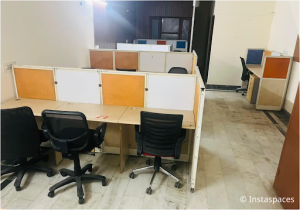
For decades, owning or renting office space was considered a sign of business success. However, changing work cultures and technological advancements have challenged that mindset. Today, businesses rely on cloud storage, project management software, video conferencing, and digital communication tools to collaborate efficiently from virtually anywhere.
This transformation has encouraged organizations to rethink their operational expenses. Instead of committing to long-term office leases, many companies are choosing flexible alternatives that allow them to adapt as their business grows.
A virtual office supports this transition by offering a professional business identity without the financial burden of maintaining a permanent workspace.
Key Advantages of a Virtual Office
Reduced Operational Costs
One of the most obvious benefits of a virtual office is financial savings. Traditional offices come with recurring expenses, including rent, electricity, internet, office equipment, maintenance, and administrative support.
A virtual office eliminates many of these costs, allowing businesses to invest more in marketing, product development, technology, and customer acquisition.
Enhanced Business Credibility
Customers often judge a business based on its professionalism. A commercial business address creates a stronger first impression than a residential address and demonstrates that the company operates through an established business setup.
Displaying a professional address on business cards, invoices, websites, and official documents helps strengthen brand reputation and customer confidence.
Flexibility for Modern Teams
Remote work has become a permanent part of many organizations. Employees appreciate the freedom to work from home or coworking spaces while businesses benefit from improved productivity and lower operating costs.
A virtual office complements this flexible work environment by maintaining a professional presence regardless of where employees are located.
Supporting Business Expansion
Expanding into new cities can be expensive if businesses rely solely on physical office spaces. Renting commercial property before understanding market demand often increases financial risk.
Virtual offices make expansion far more practical. Businesses can establish a commercial presence in strategic locations, build credibility, and serve customers in multiple regions without making large infrastructure investments.
For instance, companies planning to expand in South India frequently choose a virtual office in Hyderabad because it provides a professional business address in one of India’s fastest-growing commercial hubs while supporting GST registration and business operations.
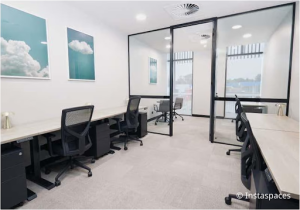
This allows organizations to explore new markets confidently before deciding whether a permanent office is necessary.
Businesses That Benefit the Most
Virtual offices are suitable for a wide variety of industries and business models, including:
- Startups with limited budgets
- Freelancers and consultants
- Digital marketing agencies
- Software and IT companies
- E-commerce businesses
- Legal and accounting firms
- Healthcare consultants
- Import-export businesses
- Companies with remote teams
Regardless of industry, businesses benefit from maintaining a professional identity while keeping operational costs under control.
Smarter Allocation of Business Resources
Every business has limited financial resources, especially during its early stages. Spending excessively on office infrastructure can slow growth and reduce available capital for strategic initiatives.
By choosing a virtual office, companies can redirect savings toward activities that generate measurable returns, such as:
- Hiring experienced professionals
- Running digital advertising campaigns
- Developing new products or services
- Investing in automation tools
- Improving customer support
- Expanding into additional markets
This efficient allocation of resources enables businesses to grow more sustainably.
Strengthening Customer Trust
Trust is essential for building long-term customer relationships. A professional commercial address reinforces the legitimacy of a business and provides reassurance to clients, suppliers, and investors.
Combined with excellent customer service, transparent communication, and quality offerings, a virtual office helps businesses establish a strong and credible brand image.
Preparing for the Future
The future of business is built around flexibility, technology, and efficient resource management. Companies that embrace remote work and digital operations are often more adaptable to changing market conditions.
Virtual offices align perfectly with this shift by allowing organizations to maintain a professional presence while avoiding unnecessary overhead costs. They provide businesses with the freedom to scale, explore new opportunities, and remain competitive in an evolving marketplace.
Final Thoughts
Business success is no longer determined by the size of an office. Instead, it depends on how effectively companies use their resources, respond to market changes, and deliver value to customers.
A virtual office offers the ideal combination of affordability, professionalism, flexibility, and scalability. Whether you’re launching a startup, expanding into new regions, or managing a remote workforce, it provides a practical foundation for sustainable growth.
As businesses continue embracing digital transformation, virtual offices will remain an essential solution for organizations looking to grow smarter, operate efficiently, and build a strong professional presence without unnecessary expenses.