Climate-Resilient Homes: Building Strategies That Help Properties Handle Heat, Storms, and Extreme Weather
Weather patterns are changing, and homeowners around the world are experiencing stronger heat waves, heavier rainfall, powerful storms, flooding risks, and unpredictable seasonal conditions. These environmental changes are influencing how homes should be designed, built, renovated, and maintained.
A traditional home may provide comfort during normal weather conditions, but extreme events can expose weaknesses in construction, materials, drainage systems, insulation, and energy efficiency. Climate-resilient homes are designed to handle these challenges by combining smart planning, durable materials, efficient systems, and construction strategies that reduce damage risks.
The goal of climate-resilient housing is not only to protect a property during extreme weather but also to improve everyday comfort, reduce maintenance costs, and create a safer living environment.
What Is a Climate-Resilient Home?
A climate-resilient home is a property designed to withstand environmental challenges while continuing to provide safety, comfort, and functionality. Instead of reacting to weather damage after it happens, these homes use preventive strategies to reduce the impact of extreme conditions.
Climate resilience focuses on several areas, including:
- Protection against extreme heat
- Resistance to storms and high winds
- Better flood management
- Improved energy efficiency
- Stronger building materials
- Reliable backup systems
- Reduced environmental impact
A resilient home does not necessarily require expensive technology or a complete rebuild. Many improvements can be added gradually through renovations, upgrades, and smarter maintenance decisions.
Designing Homes for Extreme Heat
Rising temperatures are one of the biggest challenges affecting residential properties. Excessive heat can increase cooling costs, reduce indoor comfort, and place additional pressure on air conditioning systems.
Better Insulation and Air Sealing
Proper insulation is one of the most effective ways to control indoor temperatures. Insulation helps prevent heat from entering during summer and escaping during colder months.
However, insulation works best when combined with proper air sealing. Small gaps around windows, doors, electrical outlets, and building joints can allow unwanted heat transfer.
A well-sealed home:
- Maintains stable indoor temperatures
- Reduces energy consumption
- Improves HVAC performance
- Creates a more comfortable environment
Reflective Roofing Materials
Roofs receive direct exposure to sunlight, making them one of the most important areas for heat management.
Traditional dark roofing materials absorb significant heat, increasing indoor temperatures. Reflective roofing options, cool roof coatings, and light-colored materials can reduce heat absorption.
The right roofing choice depends on climate conditions, budget, durability requirements, and local construction practices.
Smart Shading Solutions
Windows can become major sources of heat gain. Climate-resilient homes often use external shading strategies such as:
- Overhangs
- Exterior blinds
- Shade structures
- Energy-efficient windows
- Strategic landscaping
These solutions reduce direct sunlight exposure while maintaining natural lighting.
Protecting Homes Against Storm Damage
Strong storms can damage roofs, windows, exterior walls, and drainage systems. Building resilience requires focusing on the areas most vulnerable during severe weather.
Stronger Roofing Systems
The roof is one of the first parts of a home exposed to storms. A resilient roofing system should include:
- High-quality roofing materials
- Proper installation techniques
- Secure connections
- Regular inspections
- Reliable waterproofing
Even durable materials can fail if installation quality is poor.
Impact-Resistant Windows and Doors
During storms, flying debris can break standard glass and allow wind and rain to enter the home.
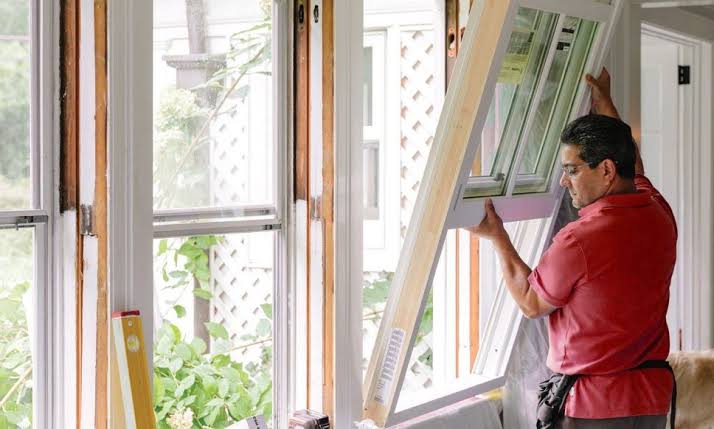
Impact-resistant windows, reinforced frames, and stronger exterior doors provide additional protection. These upgrades can help reduce damage and improve overall building security.
Reinforced Exterior Structures
Outdoor features such as decks, balconies, fences, and patios should also be designed with severe weather conditions in mind.
Poorly secured outdoor structures can become hazards during strong winds. Proper anchoring and quality materials can improve safety and durability.
Flood Prevention and Water Management Strategies
Heavy rainfall and flooding are becoming more common concerns for many homeowners. Water damage can affect foundations, walls, electrical systems, and indoor air quality.
Improved Drainage Systems
A resilient home should manage water effectively around the property.
Important drainage improvements include:
- Properly positioned gutters
- Extended downspouts
- Graded landscaping
- Permeable surfaces
- Rainwater management systems
The goal is to move water away from the foundation before it creates problems.
Foundation Protection
Foundation damage can become one of the most expensive home repairs. Waterproof coatings, drainage membranes, sump pumps, and regular inspections can help protect the structural base of a property.
Homeowners should also monitor cracks, moisture buildup, and unusual foundation movement.
Choosing Durable Building Materials
Material selection plays an important role in climate resilience. Some materials perform better under extreme conditions than others.
Durable materials may include:
- Weather-resistant siding
- Treated wood products
- Reinforced concrete
- Metal roofing
- Moisture-resistant insulation
- High-performance sealants
The best choice depends on local weather conditions. A material that performs well in a dry climate may not be suitable for areas with heavy rainfall or high humidity.
Energy Efficiency and Backup Systems
Climate-resilient homes are often energy-efficient because reducing energy demand helps properties remain functional during challenging conditions.
Solar Power and Battery Storage
Solar panels combined with battery storage can provide backup electricity during power interruptions caused by storms or extreme weather events.
These systems can support essential household functions such as:
- Lighting
- Refrigeration
- Communication devices
- Security systems
Efficient Heating and Cooling Systems
Modern HVAC systems with smart controls can maintain comfort while using less energy.
Features such as programmable settings, zoning controls, and smart sensors allow homeowners to manage indoor conditions more efficiently.
Landscaping for Climate Resilience
The area surrounding a home also influences how well it handles weather challenges.
Climate-conscious landscaping can help with:
- Reducing heat around the property
- Controlling rainwater runoff
- Preventing soil erosion
- Protecting outdoor structures
Examples include planting trees for shade, choosing drought-resistant plants, and creating drainage-friendly outdoor spaces.
The Role of Smart Technology in Resilient Homes
Technology is becoming an important part of modern climate adaptation. Smart systems can monitor conditions and help homeowners respond quickly.
Examples include:
- Flood sensors
- Smart thermostats
- Weather monitoring devices
- Automated irrigation systems
- Energy management platforms
These tools provide information that helps homeowners make better decisions before problems become serious.
Planning Climate-Resilient Renovations
Homeowners do not always need to rebuild their entire property to improve resilience. Many improvements can be completed during regular renovation projects.
A practical approach is to start with the areas that provide the greatest protection:
- Inspect the roof and drainage systems
- Improve insulation and air sealing
- Upgrade vulnerable windows and doors
- Address moisture problems
- Improve energy efficiency
- Add smart monitoring tools
Prioritizing upgrades based on local climate risks can provide better results without unnecessary spending.
Final Thoughts
Climate-resilient homes represent a smarter approach to modern property ownership. As extreme weather becomes more common, homeowners need solutions that go beyond traditional construction methods.
By improving insulation, strengthening structures, managing water effectively, choosing durable materials, and using smart technology, homes can become safer, more comfortable, and more efficient.
The future of housing is not only about creating beautiful spaces but also about designing properties that can adapt to changing environmental conditions. Investing in climate resilience today can help protect homes, reduce repair costs, and create stronger communities for the years ahead.