AI-Powered Interior Design Tools: Can Artificial Intelligence Improve Real Home Renovation Decisions?
Home renovation decisions are often exciting but challenging. Choosing the right colors, furniture, layouts, lighting, materials, and overall style requires creativity, planning, and sometimes professional guidance. Many homeowners struggle to visualize how a finished renovation will look before spending money on construction or purchases.
Artificial intelligence is changing this process by introducing smarter interior design tools that can create layouts, suggest designs, generate realistic room visuals, and help homeowners make better renovation choices. AI-powered interior design platforms are becoming increasingly popular because they allow people to explore ideas before making expensive commitments.
However, the question remains: can artificial intelligence truly improve real home renovation decisions, or is it simply another design trend? The answer depends on how homeowners use these tools and how they combine AI suggestions with practical knowledge.
What Are AI-Powered Interior Design Tools?
AI-powered interior design tools are software applications that use artificial intelligence, machine learning, and image-processing technology to help users plan and visualize spaces.
Unlike traditional design software that requires advanced skills, many AI tools are designed for everyday homeowners. Users can upload photos of existing rooms, enter their preferences, or describe their renovation goals. The system then analyzes the information and generates design suggestions.
These tools can help with:
- Room layout planning
- Furniture placement ideas
- Color recommendations
- Material selection
- Lighting concepts
- Style inspiration
- Space optimization
- Renovation visualization
For example, a homeowner renovating a small living room can upload an image and ask the AI tool to create a modern minimalist design. The system may suggest furniture arrangements, wall colors, storage solutions, and decorative elements that fit the available space.
How AI Helps Homeowners Visualize Renovation Ideas
One of the biggest challenges in home improvement is imagining the final result. Many people find it difficult to understand how a paint color, flooring option, or furniture style will look inside their actual home.
AI design tools solve this problem by creating realistic previews.
A homeowner can test different possibilities before making decisions, such as:
- Dark versus light kitchen cabinets
- Hardwood versus tile flooring
- Different wall colors
- Various lighting arrangements
- Modern versus traditional furniture styles
This reduces uncertainty and helps homeowners feel more confident before investing in materials or hiring contractors.
Instead of relying only on imagination, people can explore multiple design options digitally.
Better Space Planning and Layout Decisions
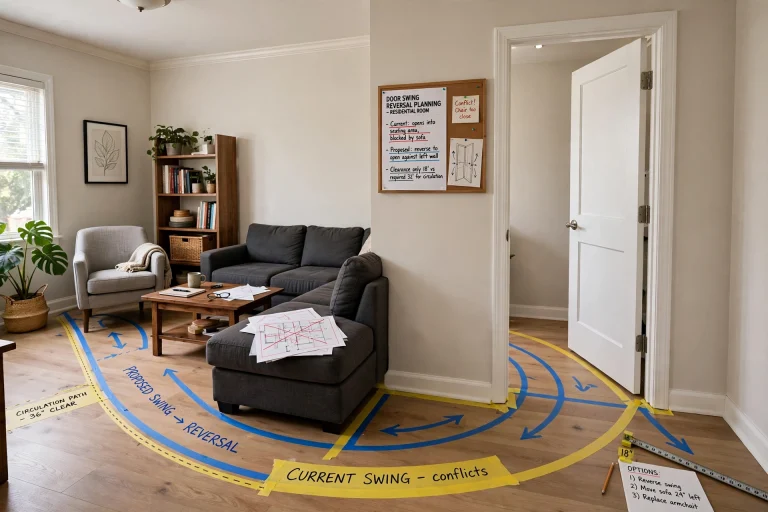
Poor space planning is one of the most common renovation mistakes. A room may look attractive but still feel uncomfortable if furniture placement, movement areas, and storage needs are ignored.
AI tools can analyze room dimensions and suggest more practical layouts.
For example, AI may identify that:
- A sofa blocks natural walking paths
- A kitchen island is too large for the available space
- Storage opportunities are being wasted
- Lighting placement could be improved
This type of guidance can be especially valuable for small homes, apartments, and rooms with unusual shapes.
AI Recommendations for Colors and Materials
Choosing finishes is often overwhelming because homeowners have thousands of options available. AI can simplify the selection process by analyzing design preferences and recommending suitable combinations.
For example, a user interested in a warm and natural style may receive suggestions involving:
- Earth-tone wall colors
- Wooden textures
- Natural stone surfaces
- Soft lighting
- Neutral furniture
AI can also help compare different materials based on appearance, maintenance needs, and overall design compatibility.
However, homeowners should remember that AI recommendations are based on patterns and available data. A suggested material may look attractive digitally but may not always be the best choice for a specific climate, lifestyle, or budget.
Reducing Renovation Mistakes Before Construction
Renovation mistakes can become expensive. Choosing the wrong flooring, installing unsuitable lighting, or creating an impractical kitchen layout may require additional changes later.
AI-powered design tools can reduce some of these risks by allowing homeowners to test ideas before implementation.
Common problems AI can help prevent include:
- Poor furniture proportions
- Color combinations that do not work well
- Overcrowded rooms
- Inefficient layouts
- Lack of storage planning
By experimenting digitally, homeowners can identify problems earlier and make more informed decisions.
Can AI Replace Professional Interior Designers?
Although AI has become powerful, it does not completely replace experienced interior designers.
Professional designers bring valuable skills that AI cannot fully replicate, including:
- Understanding construction limitations
- Managing project budgets
- Knowing material quality differences
- Coordinating with contractors
- Understanding personal lifestyle needs
- Solving unexpected renovation challenges
AI works best as a supporting tool rather than a complete replacement.
A homeowner can use AI to explore ideas and prepare better questions before meeting a professional designer. This can make the design process faster and more productive.
The Role of AI in Sustainable Home Design
Sustainability is becoming an important part of modern home improvement. AI tools can assist homeowners in creating more environmentally responsible spaces.
Some AI systems can suggest:
- Energy-efficient layouts
- Better natural lighting solutions
- Sustainable materials
- Space-saving furniture choices
- Improved insulation ideas
For example, an AI tool may recommend placing furniture differently to maximize sunlight and reduce dependence on artificial lighting during the day.
While AI cannot replace professional energy assessments, it can encourage homeowners to consider efficiency during the early planning stages.
Limitations of AI Interior Design Tools
Despite their advantages, AI design tools have limitations that homeowners should understand.
AI Does Not Understand Every Real-World Condition
A generated design may look perfect on screen but ignore practical issues such as:
- Electrical locations
- Plumbing restrictions
- Structural walls
- Building codes
- Material availability
Real renovation projects require physical evaluation.
Digital Images Can Be Misleading
AI-generated visuals are often impressive, but colors, textures, and proportions may appear different in real life.
A virtual marble countertop may look luxurious online but may not match the actual material available in the market.
Personal Taste Still Matters
AI learns from existing design patterns, but a home should reflect the owner’s personality and lifestyle.
The best spaces are not created only from trends. They are created by understanding how people actually live.
The Future of AI in Home Renovation
AI technology will likely become a bigger part of the home improvement industry. Future tools may provide even more advanced features, such as:
- Real-time renovation simulations
- Automatic cost estimates
- Contractor recommendations
- Material price comparisons
- Virtual reality home walkthroughs
- AI-based maintenance suggestions
Homeowners may eventually be able to scan their entire property and receive personalized renovation plans based on budget, preferences, and long-term goals.
Final Thoughts
AI-powered interior design tools are changing how homeowners approach renovation decisions. They make it easier to visualize ideas, compare options, avoid mistakes, and plan spaces more effectively.
However, artificial intelligence should be viewed as a helpful assistant rather than a replacement for human expertise. The most successful renovation projects will combine AI technology with practical knowledge, professional advice, and a clear understanding of personal needs.
As these tools continue to improve, AI will likely become an important part of modern home renovation planning, helping homeowners make smarter, more confident, and more efficient design decisions.