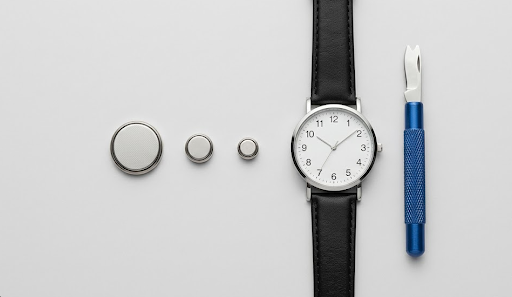
Button Battery for Wristwatch Use: Simple Buying Tips
Shopping for a button battery sounds straightforward — and it usually is. But walk into any pharmacy or electronics store, and you’ll find a wall of small, round batteries in dozens of sizes and brands. If you’re not sure what to look for, it’s easy to pick up the wrong one. These tips will help you buy the right button battery for wristwatch use without confusion.
Start With the Model Number
The most important step is finding out which battery your watch actually needs. Every button battery has a model number printed on its surface. Common examples include CR2032, SR626SW, and LR44. These numbers tell you the size, chemistry, and voltage of the cell.
The easiest way to find the right one is to open the watch case, take out the old battery, and read the number directly off it. You can also check the back of the watch or the original packaging, since some manufacturers print the battery type there.
If none of that works, your watch model name plus a quick online search will usually give you the answer in seconds.
Silver Oxide vs. Lithium — What’s the Difference?
Most watch batteries fall into one of two categories: silver oxide or lithium.
Silver oxide batteries (marked with “SR”) are the most common choice for analogue and dress watches. They deliver a steady voltage throughout their life, which helps keep timekeeping accurate. They’re also relatively affordable.
Lithium batteries (marked with “CR”) are better suited for watches that demand more power — digital displays, temperature sensors, or GPS functions. They last longer in high-drain situations and perform better in cold weather.
For a basic everyday wristwatch, a silver oxide cell is usually the right choice. If your watch has many digital features, check whether the manufacturer recommends lithium.
Stick to Known Brands
This is one area where brand really does matter. Well-known manufacturers like Renata, Energiser, Maxell, and Sony make button batteries to consistent standards. Their cells are less likely to leak, and their stated capacity is closer to what you actually get.
Generic or heavily discounted batteries can seem like a bargain, but they often drain faster and are more likely to cause leaks. A leaking battery can damage the inside of a watch case in ways that cost far more to fix than the battery ever saved you.
When you need a dependable button battery for wristwatch replacement, it’s worth spending a little extra for a cell from a manufacturer with a solid track record.
Watch Out for Expiry Dates
Button batteries have a shelf life even when unused. Most are rated for three to five years in storage, but some cells sitting on store shelves have already been there a while. Always check the expiry date printed on the packaging before you buy.
A battery that’s close to its expiry date may not last as long once installed, even if it works fine at first. If the date is less than a year away, look for a fresher stock.
Buying Online vs. In Store
Both options work fine as long as you stick to reputable sellers. Buying in-store lets you check the packaging closely and grab the battery right away. Buying online is often cheaper and gives you access to more size options, which is helpful if your watch takes a less common battery type.
If you order online, buy from established retailers or directly from brand websites to avoid counterfeit products. Fake batteries are a real problem in some markets, and they rarely perform as advertised.
One Last Tip Before You Buy
Keep the old battery until you’re sure the new one works. If the watch doesn’t power on after the swap, the issue might not be the battery at all — it could be the contacts or something else inside the case. Having the old cell on hand lets you rule out a faulty new battery as the cause.
Replacing a watch battery is genuinely simple once you know what to look for. Get the right size, choose a trusted brand, and check the expiry date. That’s really all there is to it.