What Is the First Step Every Pedestrian Accident Victim Should Take to Protect Their Compensation?
A single decision made after an accident can quietly shape everything that follows. People often focus on damaged belongings or conversations with drivers, but the earliest actions usually have the biggest effect on what can be proven later. Small details fade quickly, and missing information becomes much harder to recover after the scene has changed.
That is why staying calm and acting with purpose matters from the very beginning. For anyone hoping to protect pedestrian accident compensation, knowing the right starting point can make the entire process much easier. The rest becomes clearer once that first step is handled properly.
The First Step Every Victim Should Take
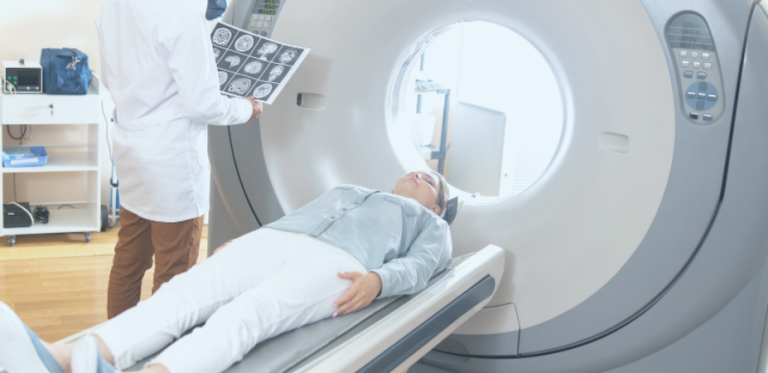
The first and most important step is getting medical attention as soon as possible, even if the injuries seem small. Some injuries, especially head, neck, or internal injuries, may not cause strong symptoms right away. Waiting too long to receive treatment can make recovery more difficult and may also create questions about whether the injuries were actually caused by the accident.
Medical records provide a clear timeline that connects the accident with the injuries. Doctors also document symptoms, recommend treatment, and monitor recovery over time. These records often become one of the strongest pieces of evidence available during an insurance claim.
Seeking medical care also helps protect personal health. Some people choose to go home because they believe the pain will disappear after rest. Unfortunately, many injuries become worse over the following days. Early treatment gives doctors a better chance to identify problems before they become more serious.
Another reason this first step matters is that it creates an official record while the facts are still fresh. That record becomes valuable if questions arise later about the accident or the injuries involved.
The Steps That Should Follow
After medical care has been received, several other actions can help preserve important information. Each step supports the next one and creates a stronger record of what happened.
Report the Accident
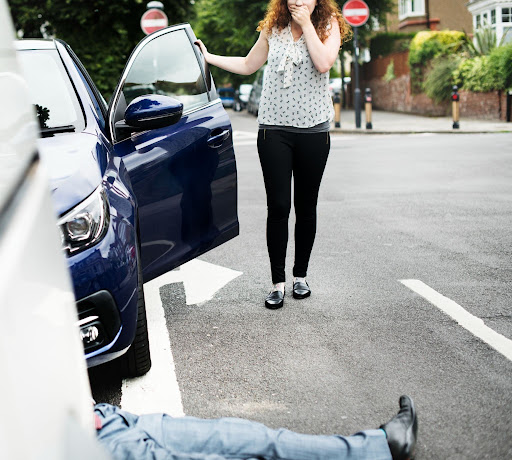
Notify local law enforcement if officers have not already arrived. An official accident report often includes details about the location, the people involved, witness information, and the initial observations made at the scene. This report may later help explain how the accident happened.
Gather Available Evidence
If it is safe to do so, collect photographs of the accident scene. Pictures of traffic signals, crosswalks, weather conditions, road markings, vehicle damage, and visible injuries may all become useful later. Small details that seem unimportant on the day of the accident may answer important questions later.
Speak With Witnesses
Witnesses can provide an independent description of what they saw. If possible, ask for their names and contact information before they leave. Memories naturally fade over time, so having accurate contact details allows their observations to be confirmed later if needed.
Keep Every Medical Record
Save hospital papers, doctor’s notes, prescriptions, therapy records, receipts, and medical bills. Keeping these documents organized makes it easier to show how the injuries affected daily life and what treatment was required.
Record Your Recovery
Many people forget how much their injuries affected everyday activities. Writing down pain levels, medical appointments, missed workdays, physical limitations, and recovery progress creates a helpful timeline. This personal record may explain the impact of the injuries much more clearly than memory alone.
Be Careful During Insurance Conversations
Insurance representatives often contact accident victims shortly after an accident. Provide accurate basic information, but avoid guessing about personal injuries or making statements before the full medical condition is understood. Recovery often changes during the weeks following an accident, and early assumptions may not reflect the complete situation.
Protect Physical Evidence
Do not repair or throw away damaged personal property such as clothing, shoes, helmets, backpacks, bicycles, or electronic devices connected to the accident. These items may later help explain how the collision occurred or demonstrate the force of the impact.
Stay Consistent With Treatment
Follow medical recommendations carefully and attend scheduled appointments. Missing treatments without explanation may create unnecessary questions about the seriousness of the injuries. A consistent treatment history also provides a clearer picture of the recovery process.
Tips That Can Help Protect Your Claim
The actions taken after the accident do not end once the first few days have passed. Staying organized throughout the recovery process often makes it easier to answer questions if they arise later. These simple habits can help keep important information together.
Keep Every Document in One Place
Create a folder for all accident-related papers, including medical records, bills, insurance letters, repair estimates, photographs, and receipts. Having everything organized saves time and reduces the chance of losing valuable information.
Avoid Posting About the Accident Online
Social media posts can sometimes create confusion if they are viewed without the full story. Even a simple photo or short comment may be misunderstood. It is usually better to wait until the claim process has moved forward before sharing details publicly.
Follow Medical Advice Carefully
Continue attending follow-up visits, therapy sessions, and recommended treatments. Recovery often takes longer than expected, and medical records should accurately reflect that process. Stopping treatment too early without medical guidance may leave unanswered questions about the injury.
Keep Communication Clear and Accurate
Whether speaking with healthcare providers, insurance representatives, or others involved in the process, provide truthful and consistent information. If you do not know the answer to a question, it is better to say so than to guess. Accurate communication helps avoid misunderstandings later.
Why Patience Can Make a Difference
Many people hope the claim process will end quickly, but rushing important decisions can sometimes create unnecessary problems. Serious injuries often require weeks or months before doctors understand the full recovery outlook. Costs may continue to grow as additional treatment, rehabilitation, or follow-up care becomes necessary.
Waiting until the overall impact of the injury becomes clearer allows records to present a more complete picture. Medical expenses, lost income, and daily limitations may continue to change during recovery. Taking time to gather complete information helps ensure that decisions are based on the full extent of the situation rather than only the first few days after the accident.
Keeping the Focus on What Matters Most
Recovering after a pedestrian accident involves much more than treating physical injuries. Staying organized, following medical advice, preserving evidence, and keeping accurate records all contribute to a stronger foundation as the process moves forward. Small actions taken early often become some of the most valuable pieces of information later.
For anyone seeking pedestrian accident compensation, protecting evidence from the very beginning and remaining consistent throughout recovery can make the process much smoother. Careful preparation cannot erase what happened, but it can help ensure that important facts remain available when they are needed most.